

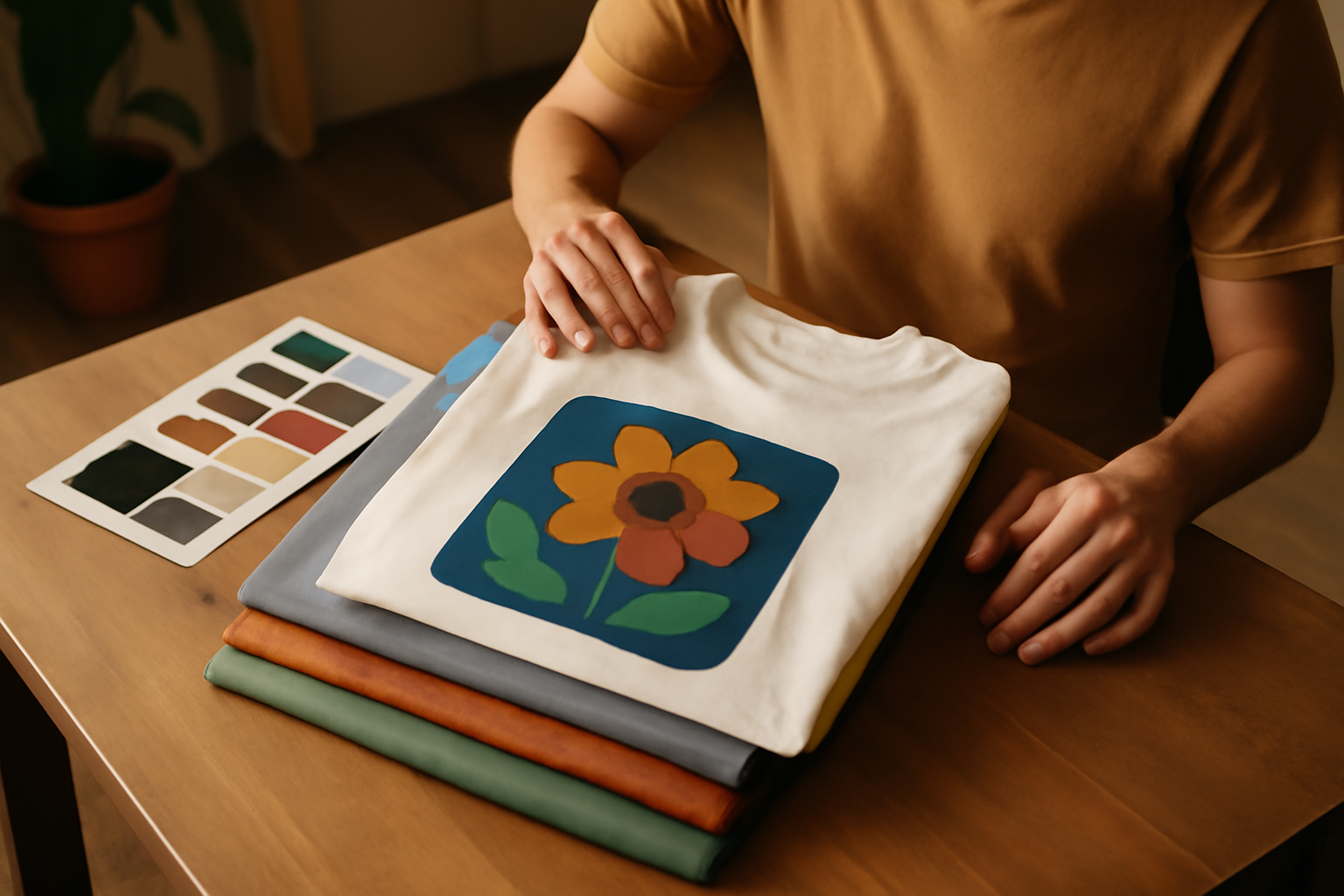
When it comes to selecting the perfect graphic t-shirt, the material plays a crucial role in both comfort and durability. Understanding the various fabric options available can help you make informed decisions that align with your lifestyle and needs. This guide will help you navigate the choices available, ensuring you pick the right material for your graphic tees.
Whether you're looking for something casual for everyday wear or a more specialized fabric for graphic printing, knowing what to look for will enhance your shopping experience. Let's explore the key factors to consider when selecting the right graphic t-shirt materials.
Table of Contents
Who This Guide Is For
This guide is ideal for adults aged 30 and up who value comfort, style, and longevity in their wardrobe choices. Whether you're a graphic t-shirt enthusiast, an occasional wearer, or someone looking to buy for a group or event, understanding fabric types and their characteristics will be beneficial. Exploring the Diverse World of Graphic T-Shirt Styles.
In particular, this guide caters to individuals who prioritize quality over quantity. If you find yourself frequently purchasing graphic t-shirts but are often disappointed by their durability or feel, this guide will help you make informed decisions that enhance your wardrobe. Additionally, it is perfect for those planning events such as family reunions, corporate outings, or community gatherings where custom t-shirts are needed. common printing challenges.
Here are some specific groups who will find this guide especially useful:
- Fashion-Conscious Adults: If you enjoy expressing your personality through clothing, knowing the right materials will help you choose t-shirts that not only look good but feel good too.
- Event Planners: Understanding the various fabric options allows you to select materials that fit your event's theme and ensure comfort for all participants.
- Gift Givers: If you're buying graphic t-shirts as gifts, knowing the right materials ensures that your present will be appreciated for its comfort and style.
- Eco-Conscious Consumers: For those concerned about sustainability, this guide will help you identify materials that are both stylish and environmentally friendly.
As you read through this guide, consider the following aspects that will enhance your understanding:
- Fabric Characteristics: Learn about the properties of different fabrics, including breathability, stretch, and moisture-wicking capabilities.
- Usage Scenarios: Think about when and where you plan to wear your graphic t-shirts, as this will influence your material choice.
- Care Instructions: Different materials require different care, which can affect the longevity of your t-shirts.
By keeping these factors in mind, you will be better equipped to choose the right graphic t-shirt materials that align with your lifestyle and preferences. This guide is not just about making a purchase; it's about making a choice that reflects your values and enhances your wardrobe for years to come.
What to Look For in Graphic T-Shirt Materials
Choosing the right graphic t-shirt material involves several key criteria. Here are some essential factors to consider:
1. Fabric Composition
The composition of the fabric significantly affects the feel and durability of the t-shirt. Common materials include:
- Cotton: Soft, breathable, and absorbent. Ideal for everyday wear but may shrink if not pre-washed.
- Polyester: Durable and resistant to shrinking and wrinkles. Often blended with cotton for added comfort.
- Blends: A combination of cotton and polyester, offering the best of both worlds-breathability and durability.
- Tri-blend: Typically made from cotton, polyester, and rayon, these fabrics are incredibly soft and have a vintage feel.
2. Weight and Thickness
The weight of the fabric can influence how the t-shirt drapes and feels. Lightweight fabrics are great for warmer weather, while heavier fabrics provide more structure and warmth. Look for the fabric weight (measured in grams per square meter) for a better understanding of its heaviness.
3. Print Compatibility
Some materials handle printing better than others. Cotton is excellent for most printing techniques, while polyester may require special treatments. Consider how the graphic will be applied-screen printing, digital printing, or heat transfer-and ensure the fabric is compatible with your chosen method. Understanding graphic t-shirt quality concerns will help you avoid issues with fading or peeling prints.
4. Comfort and Feel
Comfort is paramount. Pay attention to the texture of the fabric. A softer feel typically translates to more comfortable wear. Always check for labels indicating softness or feel, and consider pre-washed options for added comfort.
5. Care Instructions
Different materials come with varying care needs. Cotton may require more delicate washing, while polyester can be machine washed without worry. Understanding the care instructions will help maintain the quality of your graphic t-shirt over time.
6. Purpose and Occasion
Consider how you intend to wear the t-shirt. Casual outings may allow for softer fabrics, while active use may require more durable, moisture-wicking materials. Align the fabric choice with your lifestyle for the best fit.
Common Pitfalls to Avoid
Choosing the right graphic t-shirt material can come with challenges. Here are some common pitfalls to avoid:
- Neglecting Fabric Quality: Always check the quality of the fabric. Low-quality materials may feel good initially but can wear out quickly.
- Ignoring Size and Fit: Different materials behave differently when it comes to sizing. A snug fit in cotton might feel tighter after washing, while polyester maintains its shape better.
- Overlooking Care Requirements: Failing to follow care instructions can lead to shrinkage or damage. Always read labels carefully.
Decision Checklist for Selecting T-Shirt Materials
Before making your purchase, consider the following checklist to guide your selection:
- What is the primary use of the t-shirt (casual, active, event)?
- What fabric composition suits your comfort and style preferences?
- Does the fabric weight align with the intended season and activity?
- Is the material compatible with your preferred printing method?
- Are you able to commit to the required care for the fabric?
1. Define the Primary Use of the T-Shirt
Understanding the primary use of your t-shirt is crucial. Consider whether you need it for casual wear, active sports, or special events. Each use case may benefit from different materials:
- Casual Wear: Look for soft, breathable materials like cotton or cotton blends that provide comfort for everyday use.
- Active Wear: Opt for moisture-wicking fabrics such as polyester or nylon that help keep you dry during physical activities.
- Event-Specific: For events, consider the theme and whether you need a more formal look with materials like tri-blends or a more casual vibe with 100% cotton.
2. Choose the Right Fabric Composition
The fabric composition significantly influences comfort, durability, and style. Here are some common fabric options:
- Cotton: Soft, breathable, and comfortable; ideal for everyday wear.
- Polyester: Durable and moisture-wicking; great for athletic activities.
- Blends: Cotton-polyester blends offer the best of both worlds-comfort and durability.
- Tri-blends: A mix of cotton, polyester, and rayon, these provide a vintage feel and are soft yet durable.
Consider your personal comfort and any potential allergies when selecting fabric types.
3. Assess Fabric Weight
Fabric weight is an important factor, especially in relation to the season and activity:
- Lightweight (3-5 oz): Perfect for summer wear or layering; typically used in casual t-shirts.
- Mid-weight (5-6 oz): Versatile for year-round wear; suitable for both casual and active use.
- Heavyweight (6-8 oz): Ideal for colder weather; provides warmth and durability.
Check the fabric weight label to ensure it matches your intended use and comfort level.
4. Compatibility with Printing Methods
Different printing methods work better with specific fabrics. Here are some common printing techniques and their compatibility:
- Screen Printing: Best suited for cotton and cotton blends; offers vibrant colors and durability.
- Direct-to-Garment (DTG): Works well on cotton and tri-blend fabrics; allows for detailed designs.
- Heat Transfer: Compatible with most fabrics, but ensure the material can withstand heat.
Confirm the printing method with your custom t-shirt provider to avoid any issues with design quality.
5. Care Requirements of the Fabric
Understanding the care requirements will help maintain the longevity of your t-shirt:
- Machine Wash: Most cotton and polyester blends are machine washable, but check for specific instructions.
- Hand Wash: Delicate fabrics like tri-blends may require hand washing to prevent damage.
- Drying: Air drying is often recommended for cotton to prevent shrinkage, while polyester can usually go in the dryer.
Be sure to read the care label before making a purchase to ensure you can commit to the maintenance required for the fabric.
Quick Picks by Scenario
Here's a quick guide to help you make material selections based on different scenarios:
- Beginner: Opt for cotton blends for comfort and ease of care. Cotton is soft, breathable, and easy to wash, making it perfect for those new to graphic t-shirts. When selecting, look for a blend that includes a small percentage of synthetic fibers, like polyester, which can enhance durability and reduce shrinkage. A common blend is 60% cotton and 40% polyester, offering a balance of comfort and longevity.
- Budget-Friendly: Look for cotton or cotton-polyester blends that offer good quality without breaking the bank. When on a budget, prioritize fabric weight; a heavier fabric (around 5.5 oz or more) typically indicates better quality. Check for sales or bulk purchasing options, as many suppliers offer discounts for larger orders. Remember, while saving money is important, investing in a slightly higher quality fabric can lead to better wear over time.
- Premium Feel: Choose tri-blend materials for a soft, luxurious finish. Tri-blend typically consists of cotton, polyester, and rayon, providing a unique softness and drape. When selecting, confirm the percentage of each material; a common ratio is 50% polyester, 25% cotton, and 25% rayon. This combination not only feels great against the skin but also offers excellent color retention and reduced fading, making it ideal for high-quality graphic prints.
- Active Use: Polyester or moisture-wicking fabrics are ideal for sports or outdoor activities. These materials are designed to pull moisture away from the body, keeping you dry and comfortable during physical activities. Look for features like breathability and stretch; fabrics with spandex or elastane can provide added flexibility. When shopping, check for certifications like "moisture-wicking" or "performance fabric" to ensure you're getting the right type of material that matches your active lifestyle.
- Time-Limited: Go for machine-washable fabrics that require minimal care. Fabrics that are easy to care for can save you time and effort. Look for options that are labeled as wrinkle-free or quick-dry, which can be especially useful for busy lifestyles. Additionally, consider fabrics treated with stain resistance, which can help maintain the shirt's appearance with less frequent washing. Always check the care instructions; materials that can be washed in cold water and tumble dried on low are ideal for those who want to minimize laundry hassle.
Conclusion
Choosing the right graphic t-shirt materials can significantly enhance your overall experience and satisfaction with your t-shirts. By understanding the factors that influence material choice, you'll be better equipped to make informed decisions. Explore options within the Mike's Tee Place collection to find the perfect graphic t-shirt that meets your needs and preferences.
Key Takeaways
- Consider the fabric type: cotton, polyester, or blends, each offering different benefits.
- Evaluate the weight of the fabric for comfort and durability.
- Pay attention to the printing method to ensure it complements the material.
- Think about the intended use of the t-shirt, whether for casual wear, sports, or special events.
- Check for care instructions to maintain the quality of the material over time.
Steps to Make the Right Choice
- Identify Your Needs: Determine the primary purpose of the t-shirt. Is it for everyday wear, a specific event, or promotional use?
- Research Fabric Options: Look into various fabrics and their properties. For example, if breathability is essential, cotton or moisture-wicking blends may be ideal.
- Consider the Weight: Heavier fabrics tend to be more durable but may be less comfortable in hot weather. Lighter fabrics are breathable but might wear out faster.
- Examine Printing Techniques: Ensure that the chosen printing method (screen printing, direct-to-garment, etc.) is compatible with the fabric type for the best results.
- Read Reviews: Check customer feedback on specific t-shirt materials to understand their performance and comfort levels.
- Make a Sample Purchase: If possible, buy a sample t-shirt to test the material before committing to a larger order.
Common Mistakes to Avoid
- Ignoring Fabric Care Instructions: Not considering how the material should be washed and maintained can lead to premature wear.
- Overlooking Comfort: Aesthetic appeal is important, but comfort should be a priority, especially for everyday wear.
- Choosing Based on Price Alone: While budget is a factor, selecting materials solely based on cost can result in lower quality and dissatisfaction.
- Neglecting Fit: Material choice can affect how a t-shirt fits. Always consider the cut and size in relation to the fabric type.
Ultimately, the right graphic t-shirt material can enhance the longevity and enjoyment of your apparel. By following these guidelines, you can make choices that align with your personal style and functional needs. Dive into the diverse range available at Mike's Tee Place, where quality meets creativity, and find your perfect graphic t-shirt today.
