

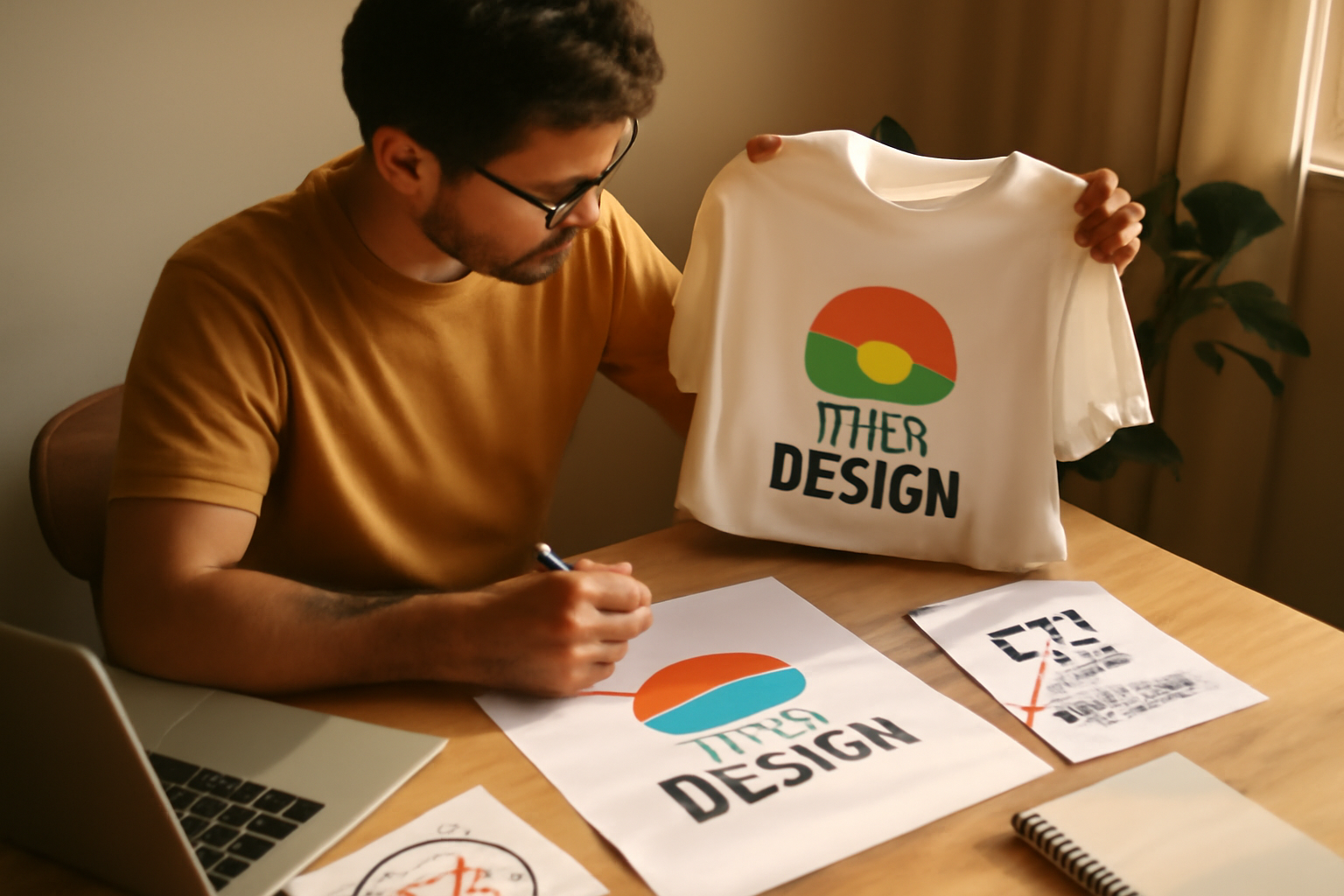
Graphic t-shirt design is an exciting way to express creativity and personal style. However, even seasoned designers can fall into common pitfalls that hinder their artistic vision. Understanding these mistakes can save time and frustration while elevating your designs.
This guide will explore the most prevalent mistakes in graphic t-shirt design, helping you identify them and providing practical solutions. Whether you're a hobbyist or looking to refine your skills, this information will enhance your creative process.
Table of Contents
Quick Diagnosis
Before diving into the common mistakes, it's essential to recognize if you're facing any design issues. Here are some symptoms to look for: Exploring the Diverse World of Graphic T-Shirt Styles.
- Your designs seem cluttered or unfocused.
- Colors appear dull or clash when printed.
- Feedback from peers or customers is consistently negative.
- Your designs lack uniqueness or originality.
Identifying these symptoms is the first step in improving your graphic t-shirt designs. Here's a more detailed breakdown to help you assess your work effectively: artistic expression in t-shirts.
1. Cluttered or Unfocused Designs
If your designs feel cluttered, it may be due to too many elements competing for attention. To diagnose this:
- Review your design: Is there a clear focal point? If not, consider simplifying the layout.
- Limit the number of colors and fonts. A good rule of thumb is to use no more than three colors and two fonts.
- Ask for a second opinion. Sometimes, a fresh set of eyes can spot clutter that you might overlook.
To avoid clutter, try sketching out your ideas on paper before jumping into digital design. This can help you visualize the overall composition and identify unnecessary elements early on.
2. Dull or Clashing Colors
Color choices are crucial in graphic design, especially for t-shirts. If colors appear dull or clash, consider the following:
- Check color contrast: Use tools like Adobe Color to ensure your colors complement each other.
- Test print your designs: Sometimes, colors that look good on screen may not translate well to fabric.
- Stick to a limited color palette: This can help maintain harmony and vibrancy in your designs.
Additionally, consider the fabric color when choosing your design colors. For example, a bright design may not stand out well on a white t-shirt if the colors are too light.
3. Negative Feedback
Consistent negative feedback can be a strong indicator that something is off with your designs. To address this:
- Seek constructive criticism: Reach out to trusted peers or mentors in the industry for honest feedback.
- Conduct surveys: Use online tools to gather opinions from a broader audience about specific designs.
- Analyze the feedback: Look for recurring themes in the comments to identify areas for improvement.
Remember, not all feedback will be actionable, but patterns in criticism can guide you toward necessary changes.
4. Lack of Uniqueness or Originality
If your designs feel generic or similar to existing products, it's time to reassess your creative approach:
- Research current trends but aim to put your own spin on them. Originality often comes from personal experiences or perspectives.
- Develop a signature style: This can help differentiate your work from competitors.
- Look for inspiration outside the t-shirt industry, such as art, nature, or architecture, to spark new ideas.
Consider creating mood boards to visualize your design concepts and ensure they reflect your unique voice. This can also help in brainstorming and refining your ideas before finalizing your designs.
By carefully evaluating these symptoms, you can pinpoint specific areas that need improvement in your graphic t-shirt designs. This proactive approach will lead to more compelling, successful products in the long run.
Common Mistakes in Graphic T-Shirt Design
1. Overcomplicating Designs
One of the most frequent mistakes is creating overly complex designs. When there are too many elements, the main message can get lost. Simplicity often leads to stronger visuals that resonate more effectively with the audience.
Fix: Focus on a single powerful idea. Use negative space strategically to enhance clarity and impact.
2. Ignoring Color Theory
Color choices can make or break a design. Poor color combinations may not only clash but can also affect the print quality, making your artistic expression in t-shirts fall flat.
Fix: Familiarize yourself with color theory. Use a color wheel to find complementary colors and consider how they will appear when printed on fabric.
3. Neglecting the Fabric and Print Method
Designs that look good on a screen may not translate well to fabric. Different materials and print methods can significantly affect the final outcome.
Fix: Always test your designs on the intended fabric and with the print method you will use. Adjust your designs based on these tests to ensure the best results.
4. Forgetting About the Target Audience
Designs that don't resonate with the intended audience can lead to disappointment. Understanding your audience is crucial to creating designs that connect.
Fix: Conduct market research. Know your audience's preferences, interests, and styles to create designs that appeal to them.
5. Lack of Originality
In a world full of t-shirt designs, standing out is vital. Relying too heavily on trends can lead to a lack of originality, making your designs forgettable.
Fix: Draw inspiration from various sources but create something uniquely yours. Experiment with your style and explore new themes to maintain originality.
Fix It Fast
Here are a few quick tips to address these common mistakes effectively:
- Simplify your designs by focusing on one main element. This helps in creating a clear message and prevents the design from becoming cluttered. For example, if you're designing a shirt for a charity event, choose a bold graphic or a strong slogan that conveys the cause without additional distractions.
- Test color combinations with your fabric type before finalizing your design. Different fabrics can alter how colors appear. For instance, a vibrant red may look dull on a cotton shirt compared to a polyester blend. Create swatches and hold them against the fabric to see how they interact under various lighting conditions.
- Always consider how your designs will appeal to your target audience. Research your audience's preferences by conducting surveys or analyzing trends within your niche. If your target demographic is young professionals, sleek and modern designs may resonate more than playful graphics. Use social media platforms to gather feedback on initial design concepts.
- Make time for creative exploration to ensure your designs remain original. Set aside dedicated time each week for brainstorming and sketching new ideas without the pressure of deadlines. Consider using mood boards to collect inspiration from various sources, such as nature, art, or current fashion trends. This can help spark creativity and lead to unique design concepts.
Checklist for Quick Fixes
To streamline the process of addressing design mistakes, consider this checklist:
- Review your design for a single focal point.
- Test color swatches on fabric samples.
- Gather feedback from potential customers.
- Set aside time for creative brainstorming sessions.
Common Mistakes to Avoid
While implementing fixes, be aware of these common pitfalls:
- Overcomplicating designs with too many elements can confuse the viewer.
- Neglecting to test color combinations can lead to disappointing print outcomes.
- Ignoring audience feedback can result in designs that miss the mark.
- Rushing the creative process can stifle originality and lead to uninspired designs.
By focusing on these quick fixes and avoiding common mistakes, you can enhance your graphic t-shirt designs significantly. Remember, the goal is to create appealing, effective designs that resonate with your audience while maintaining your unique artistic voice.
Perfecting Your Graphic T-Shirt Design Skills
Improving your graphic t-shirt design skills takes practice and a willingness to learn. By avoiding common mistakes and applying the fixes provided, you can elevate your designs significantly.
Consider exploring the Mike's Tee Place collection for inspiration. The range of expressive t-shirt choices can provide fresh ideas and insights into successful design strategies.
Steps to Enhance Your Design Skills
To perfect your graphic t-shirt design skills, follow these structured steps:
- Research and Gather Inspiration: Look at various design styles, color palettes, and typography used in successful t-shirt designs. Websites like design galleries, social media platforms, and even your own wardrobe can serve as great sources of inspiration.
- Sketch Your Ideas: Before jumping into digital design, sketch your ideas on paper. This allows you to explore different concepts without the constraints of software tools. Aim for at least 10 different sketches to give yourself options.
- Choose the Right Software: Familiarize yourself with graphic design software like Adobe Illustrator, CorelDRAW, or free alternatives like Inkscape. Each tool has unique features; choose one that suits your workflow and comfort level.
- Focus on Composition: Ensure your design has a strong composition. Use the rule of thirds to place key design elements strategically. This helps in creating visually appealing designs that draw the eye.
- Experiment with Colors: Color theory plays a crucial role in design. Use complementary colors to make your design pop, but also consider using monochromatic schemes for a more subtle look. Test different color combinations to see what resonates best with your target audience.
- Incorporate Typography Wisely: Choose fonts that complement your design. Avoid using more than two different fonts in a single design to maintain coherence. Ensure that the text is legible from a distance, especially if your design includes a message or slogan.
- Get Feedback: Share your designs with friends, family, or online design communities. Constructive criticism can help you identify areas for improvement that you might have overlooked.
- Refine Your Design: Based on feedback, make necessary adjustments. This could involve changing colors, tweaking typography, or even rethinking the overall concept. Iteration is key to achieving a polished final product.
- Test Print Samples: Before launching your design, order a sample print. This allows you to see how the design looks on an actual t-shirt, ensuring colors and sizing are as expected.
Common Mistakes to Avoid
Even experienced designers can fall into traps that hinder their creativity and effectiveness. Here are some common mistakes to watch out for:
- Overcomplicating the Design: Simplicity is often more effective. Avoid cluttering your design with too many elements. Aim for a clear message that can be easily understood at a glance.
- Ignoring Target Audience: Always keep your target audience in mind. A design that appeals to your preferences might not resonate with your intended customers. Conduct surveys or polls to gauge interest in design concepts.
- Neglecting Quality: Ensure that your images are high resolution. Low-quality images can result in pixelation when printed, making your design look unprofessional.
- Using Too Many Fonts: As mentioned earlier, limit your font choices to maintain harmony in your design. Using too many different fonts can create visual chaos.
- Forgetting About Print Techniques: Different printing methods (like screen printing vs. direct-to-garment) can affect how your design appears. Make sure your design is compatible with the printing technique you plan to use.
- Not Considering Fabric Colors: The color of the t-shirt fabric can alter how your design appears. Always test your design against the fabric color to ensure it looks good together.
- Skipping the Mockup Stage: Always create a mockup of your design on a t-shirt before finalizing it. This gives you a better idea of how the design will look in real life and allows for any last-minute adjustments.
Resources for Continuous Improvement
To keep honing your skills, consider utilizing the following resources:
- Online Courses: Platforms like Skillshare and Udemy offer courses on graphic design specifically tailored for t-shirt design.
- Design Communities: Join forums and social media groups focused on graphic design. Engaging with other designers can provide valuable insights and tips.
- Books and Tutorials: Invest in books about design principles and typography. Additionally, follow online tutorials for software you're using to improve your technical skills.
By following these steps and avoiding common pitfalls, you can refine your graphic t-shirt design skills and create stunning designs that resonate with your audience. Remember, practice makes perfect, so keep designing and learning!
Conclusion
To truly excel in graphic t-shirt design, focus on simplifying your designs, understanding color dynamics, and staying true to your audience. Take the time to refine your ideas and don't hesitate to seek feedback. Start today by evaluating your current designs against this guide and implement the suggested fixes for a noticeable improvement in your work.
As you embark on your journey to enhance your graphic t-shirt designs, consider creating a checklist that includes key elements to review in each project. This will not only help you maintain consistency but also ensure that you are addressing common pitfalls effectively.
Design Checklist
- Clarity: Is your central message clear? Avoid clutter and focus on a single concept.
- Color Scheme: Have you chosen colors that complement each other? Test your palette against color theory principles.
- Target Audience: Does your design resonate with your intended demographic? Gather insights through surveys or social media polls.
- Typography: Is your text legible? Ensure that font choices are appropriate for the message and are easily readable from a distance.
- Print Quality: Have you considered the printing method? Different methods may require adjustments in design details.
Additionally, keep in mind some common mistakes to avoid:
Common Mistakes to Avoid
- Overcomplicating Designs: Simplicity often leads to stronger designs. Aim for a balance between creativity and clarity.
- Ignoring Trends: While it's important to stay true to your style, being aware of current design trends can help your work remain relevant.
- Neglecting Feedback: Constructive criticism can provide valuable insights. Share your designs with peers or online communities for input.
- Forgetting About Fabric: Different fabrics can affect how colors and designs appear. Always consider the material of the t-shirt when designing.
By consistently applying these principles and being mindful of both your design process and the feedback you receive, you will see a significant improvement in your graphic t-shirt designs. Remember, design is an iterative process; embrace the journey of learning and evolving your craft.
