

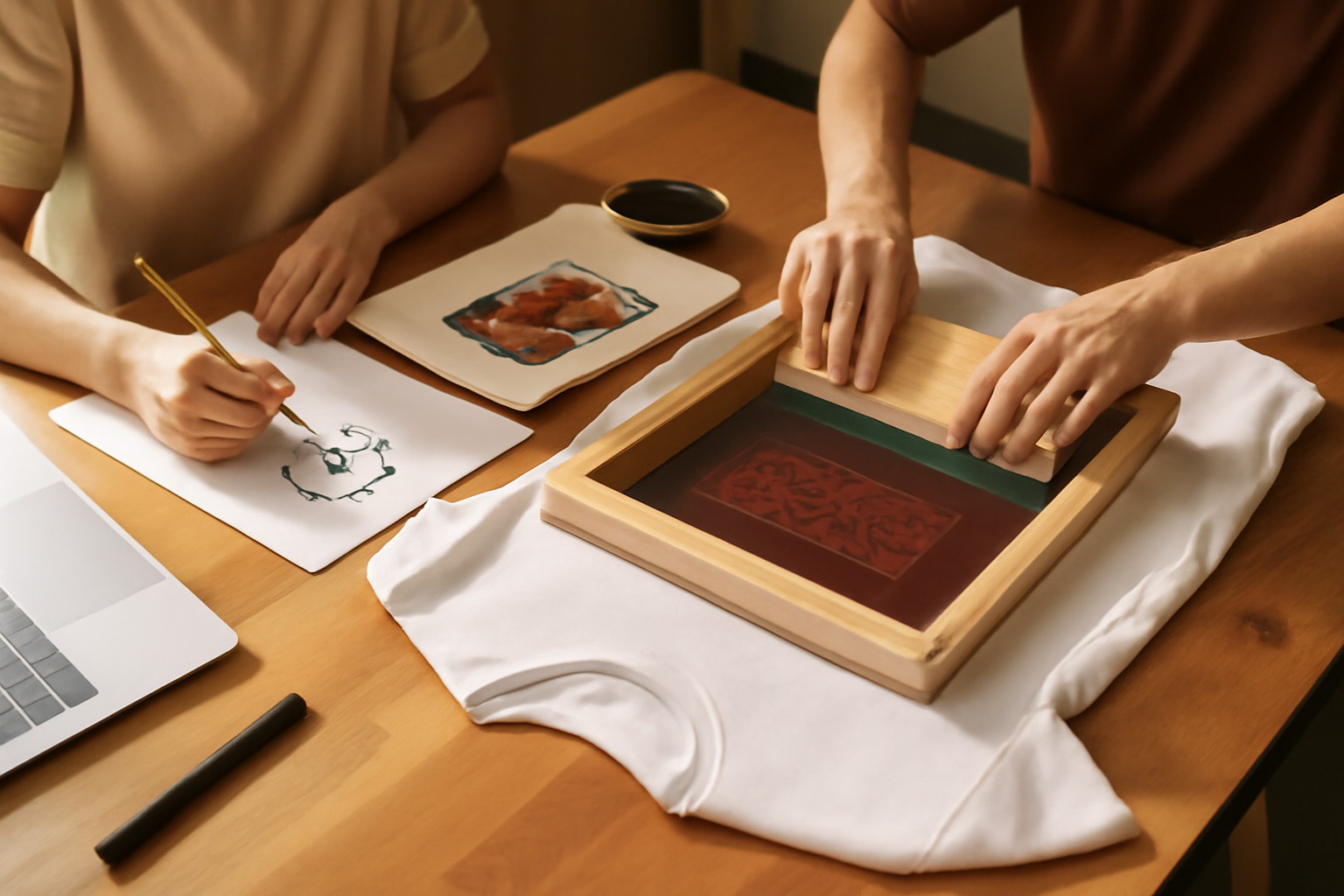
When diving into the world of graphic t-shirt design, it's essential to understand the differences between beginner and advanced techniques. Each approach has its own set of tools, methods, and outcomes, which can greatly influence the final product. Whether you're just starting out or looking to refine your skills, knowing the distinctions can help you make informed choices.
This comparison will explore various aspects of beginner and advanced graphic t-shirt techniques, including the tools used, the design complexity, and the overall cost. You'll find that each level has its advantages and trade-offs, making it easier for you to decide which route aligns best with your creative vision.
Table of Contents
Overview of Techniques
Graphic t-shirt techniques vary widely, catering to different skill levels and design ambitions. Beginner techniques often focus on simplicity and accessibility, while advanced techniques allow for more intricate designs and professional finishes. Understanding the core differences is key to progressing in your t-shirt design journey. Exploring the Diverse World of Graphic T-Shirt Styles.
Beginner Techniques
Beginner's graphic printing typically involves methods that are easy to learn and require minimal equipment. Common techniques include:
- Iron-on Transfers: A popular choice for novices, this method involves printing designs on transfer paper and then applying them to the fabric using heat.
- Screen Printing (Basic): While a bit more complex, basic screen printing can be learned quickly and allows for multiple prints from a single stencil.
- Stickers and Vinyl: Using pre-made designs or simple cutouts, beginners can create eye-catching shirts with little investment.
Advanced Techniques
Advanced graphic t-shirt techniques require a deeper understanding of design and often involve more sophisticated equipment. These techniques include:
- Professional Screen Printing: This involves more intricate setups, allowing for detailed designs, multi-color prints, and higher-quality results.
- Direct-to-Garment (DTG) Printing: This digital printing method allows for complex images and gradients, suitable for high-resolution designs.
- Sublimation Printing: A technique that infuses dye into the fabric for vibrant, long-lasting prints, ideal for polyester materials.
Cost Considerations
When evaluating beginner vs. advanced techniques, cost is an important factor. Beginners often seek low-cost methods that don't require significant investment in equipment. In contrast, advanced techniques usually involve higher upfront costs but can lead to better quality and potentially higher profits.
Understanding the financial implications of each technique can help you make informed decisions that align with your budget and goals. Below, we'll delve deeper into the cost considerations associated with each technique, including potential hidden costs and long-term benefits.
| Technique | Cost | Quality | Learning Curve |
|---|---|---|---|
| Iron-on Transfers | Low | Medium | Easy |
| Basic Screen Printing | Moderate | Medium-High | Moderate |
| Professional Screen Printing | High | High | Challenging |
| Direct-to-Garment Printing | High | High | Moderate |
| Sublimation Printing | High | High | Challenging |
Beginner Techniques: Cost-Effective Choices
For beginners, keeping costs low while learning the ropes is essential. Here are some common beginner techniques along with their cost implications:
- Iron-on Transfers: This method typically requires only a home printer and iron, making it very affordable. However, the longevity of the print may be an issue, and you might need to replace items more frequently.
- Basic Screen Printing: Initial costs can include screens, inks, and squeegees. While not as expensive as advanced methods, it does require a modest investment in supplies. Consider purchasing used equipment to lower costs.
Advanced Techniques: Higher Investment, Greater Returns
Advanced techniques often come with a higher price tag but can yield superior results. Here's a breakdown of what to expect:
- Professional Screen Printing: This method requires a significant investment in equipment and materials. However, the quality of the prints is excellent, and the ability to produce in large volumes can lead to higher profits.
- Direct-to-Garment Printing: The initial cost of a DTG printer can be high, but it allows for intricate designs and a variety of colors without the need for screens. This is ideal for custom orders.
- Sublimation Printing: This technique requires a specialized printer and sublimation inks, which can be costly. However, it produces vibrant, durable prints on polyester fabrics, making it a favorite for sportswear and promotional items.
Hidden Costs and Long-Term Considerations
When evaluating costs, it's crucial to consider hidden expenses that can arise:
- Supplies: Regardless of the technique, you will need to regularly purchase inks, transfer papers, and other consumables. Factor these into your overall budget.
- Maintenance: Advanced equipment may require maintenance or repairs, which can add to your costs over time. Ensure you allocate a portion of your budget for this.
- Training and Skill Development: Investing in courses or tutorials can enhance your skills, leading to better quality products. While this is an additional cost, it can pay off in the long run.
Checklist for Cost Evaluation
To effectively evaluate the costs associated with each technique, consider the following checklist:
- Identify the initial investment required for equipment and materials.
- Estimate recurring costs for supplies and maintenance.
- Assess the potential return on investment based on quality and market demand.
- Consider the time required to learn each technique and its impact on your overall costs.
- Factor in the potential for scaling your business with advanced techniques.
By thoroughly understanding the cost implications of both beginner and advanced graphic t-shirt techniques, you can make a more informed decision that aligns with your financial goals and creative aspirations.
Design Complexity
Another key difference between beginner and advanced techniques lies in design complexity. Beginners often create simpler designs, focusing on bold graphics and limited colors. Advanced designers, however, can experiment with intricate patterns, gradients, and textures. Understanding these differences can help you choose the right approach for your t-shirt designs, whether you're just starting out or looking to elevate your skills.
Beginner Design Examples
Simple designs such as text-based shirts or minimal graphics are popular among beginners. These designs are often quick to produce and can be easily customized using tools like those found in the Mike's Tee Place collection. Here are some practical steps and tips for creating beginner designs:
- Choose a Theme: Select a theme that resonates with your target audience, such as humor, motivation, or hobbies.
- Use Bold Fonts: Pick bold, easy-to-read fonts that stand out. Websites like Google Fonts offer a variety of free options.
- Limit Colors: Stick to two or three colors to maintain simplicity. This not only makes the design easier to produce but also more appealing to the eye.
- Incorporate Basic Shapes: Use circles, squares, and triangles to create a balanced design. These can serve as backgrounds or frames for text.
- Test Your Design: Before finalizing, print a sample on paper to see how it looks. Adjust colors and placements as necessary.
Common mistakes beginners make include overcomplicating designs or using too many colors, which can detract from the overall impact. Remember, simplicity is key!
Advanced Design Examples
Advanced designers might create detailed illustrations, multi-layered designs, or artwork that requires professional software expertise. These designs often utilize the full capabilities of t-shirt printing techniques to achieve stunning visual effects. Here's how to approach advanced designs:
- Utilize Professional Software: Familiarize yourself with software like Adobe Illustrator or CorelDRAW. These tools offer advanced features like vector graphics and layering.
- Experiment with Textures: Incorporate textures into your designs to add depth. This can be achieved through digital brushes or by layering images.
- Incorporate Gradients: Use gradients to create a sense of dimension. This technique can be particularly effective in backgrounds or as overlays.
- Focus on Composition: Pay attention to the layout of your design. Use the rule of thirds to create a visually appealing balance.
- Seek Feedback: Share your designs with fellow artists or potential customers to gather input and improve your work.
Common pitfalls for advanced designers include overloading the design with details or neglecting the printability of complex elements. Always consider how your design will translate onto fabric and whether it can be effectively printed.
By understanding the differences in design complexity and the techniques involved, you can better navigate the world of graphic t-shirt design, whether you're just starting out or looking to refine your advanced skills.
Which Option Fits You?
Choosing between beginner and advanced graphic t-shirt techniques depends largely on your goals, budget, and experience level. Here are some scenarios to help you decide:
- If you're new to graphic design: Start with beginner techniques like iron-on transfers or basic screen printing. These methods will help you build foundational skills without overwhelming you.
- If you have some experience: Consider exploring basic screen printing or even DTG printing. These options offer a good balance between creativity and cost.
- If you're aiming for high-quality production: Advanced techniques such as professional screen printing or sublimation printing will provide you with the best results, but they require a greater investment in both time and resources.
Conclusion
Understanding the trade-offs between beginner and advanced graphic t-shirt techniques can significantly influence your design journey. By weighing the costs, complexity, and your own skill level, you can choose the right path that aligns with your creative aspirations. Whether you opt for simple designs or venture into the realm of professional printing, remember to explore the expressive t-shirt choices available to you. Start experimenting today and see where your creativity takes you!
Key Takeaways
- Assess Your Skill Level: Before diving into t-shirt design, take a moment to evaluate your current skills. Are you comfortable with graphic design software? Do you have experience with different printing techniques? This self-assessment will guide your choice between beginner and advanced methods.
- Budget Considerations: Advanced techniques often come with higher costs. Consider your budget for materials, tools, and printing services. Simple designs can be cost-effective, especially if you're just starting out.
- Experimentation is Key: Don't be afraid to try new techniques. Start with simple designs to build your confidence, and gradually incorporate more advanced methods as you become comfortable.
- Seek Feedback: Share your designs with friends, family, or online communities. Constructive criticism can help you refine your skills and improve your designs.
- Stay Inspired: Follow trends in graphic t-shirt design and seek inspiration from successful designers. This can help you identify what techniques resonate with your audience.
Next Steps for Your T-Shirt Design Journey
- Choose Your Technique: Decide whether you want to start with beginner techniques like heat transfer vinyl or if you're ready to tackle screen printing or direct-to-garment (DTG) printing.
- Gather Your Materials: Based on your chosen technique, compile a list of necessary materials. For beginners, this might include basic tools like scissors, a cutting machine, and transfer paper. Advanced techniques may require more specialized equipment.
- Create a Design Plan: Sketch out your ideas or use design software to create digital mockups. This step helps visualize your final product and allows for adjustments before production.
- Test Your Designs: Before committing to a large batch, produce a few samples. This will help you identify any issues with your design or technique and make necessary adjustments.
- Launch Your Collection: Once you're satisfied with your designs, it's time to share them with the world! Consider setting up an online store or utilizing social media platforms to showcase your work.
Avoid Common Mistakes
- Neglecting Quality Control: Always check your finished products for quality. Poorly printed designs or misaligned graphics can detract from your brand's image.
- Ignoring Market Research: Understand your target audience. Designs that appeal to you may not resonate with potential customers. Research current trends and preferences.
- Underestimating Time Investment: Advanced techniques often require more time for setup and execution. Plan accordingly to avoid frustration and rushed designs.
- Skipping the Branding Process: Ensure your designs align with your brand identity. Consistency in style and message is crucial for building recognition and loyalty.
In conclusion, the journey from beginner to advanced graphic t-shirt design is not just about mastering techniques-it's about evolving your creative expression. With careful consideration of your skills, budget, and market trends, you can make informed decisions that enhance your t-shirt designs. Embrace the process, learn from your experiences, and let your creativity shine through every shirt you create!
